
Main
I am one that thinks that our backyards should be able to produce food for us.Harvesting food from our garden, creates a “farm to table” situation, which will about guarantee that the produce we eat is the freshest, and most nutrient rich. It doesn’t take much to set up a drip system, though, there is some maintenance to keep one up.
I share some suggestions on setting up a raised bed garden with drippers, some suggestions to solving weeds & rodents , along with some resources I have found, that have been helpful. See the following links.
Start one
GARDENING start a raised bed system
75% of my 6400sf parcel is edible. It’s a labor of love, Even if you did 10%, it’s better than zero, and you get some benefits of fresh produce.
This is what we did in order to setup our raised beds
*) 8x2 redwood boards… it’ can also be a type of pressure treated that is swafe for gardening purposes.
* beige colored blocks (cinder) that have 4 indentations and a hole in the middle. We got those at Home Depot..
* Compost bin, or get a tumbler. Doesn’t have to be big--- what you can put in there: Non-meat food scraps, paper towels, tissue, newspaper, dried leaves and mulch from the garden, grass clippings, cardboard (I remove trape). Think of anything organic. Bonus is that you keep less scraps piling up in your house (though you will need a collection container which will likely draw in little gnats/fruit flies.
* Rebar--- 2’ tall. They go in the center of the beige cinderblock.
* Soil: raised bed. Mix with a combination of : Your compost (or created “stuff”) from a garden center (note I did not say “box store”) , Epsom salt, fertilizer, perlite, top soil (native or package at the box store)
* Drippers—anything from ½- GPH, to variable ones, that give you streams that you can adjust. These would be bubblers, streamers, flags. Each one of these, you can adjust.. ½ & ¼ “ black, irrigation tubing.
* Rain Barrel (Capture rain water) Barrel (sometimes, Cities encourage you to do this to save water)
cut the boards (whatever you get) , to whatever widths & lengths you choose.
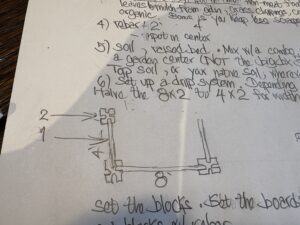
Set the blocks (2). Set the boards {I prefer redwood, but there is pressure treated for gardens, I found through an instructional video... I didn't go this route)b(1), cut the boards into whatever lengths you want. (4’ for the width, and 4, 5, 6’ for the length. Use the rebar in the blocks so they stay put. They go in the center hole of the blocks I bought at Home Depot.
Fill up with soil. Consider a barrier at the bottom so gophers aren’t a problem (in some areas)
set up the drip system however you feel, rows, hodgepodge, bubblers, drip (you tube video link)
These type of systems requires some monitoring for periodic maintenance as drippers plug, break off, etc. Our current setup isn’t likely the best but you learn by trial & error.
I’d separate zones based on the water requirements of the trees you put there. Sometimes, it’s not possible, but do the best you can.
Watering during the dry summer, probably system should be on for 10 minutes, 4x a week. Ensure that the areas are wetter down an inch or deeper. If you have dryness down there, you’re not watering enough. I’m learning this the hard way..
The plots can be any length, but try to keep it 4’ or less wide, because you can only reach so far.
Feel free to drop me a note for any of your ideas that worked for you.
Solving weeds
WEEDS… we all get them. And… Grass Alternatives
Weeds, it’s our bane as a gardener, that and invasive English Ivy from an adjoining yard. Believe it or not, the natives had medicinal uses for most of the ones that you
come across in gardens all across San Diego. Don’t just arbitrarily pull them up, they may be useful for you. Please do not use roundup. It has detrimental affects to the entire ecosystem.
At the very bottom, I offer alternatives to Grass…. Creeping Thyme and Clover.
| NAME OF “WEED” | SPREAD | MEDICINAL BENEFITS | NOTATIONS |
| DANDELION | Many Inflammation reduction, | Root (chicory) broil (crisp, chop up and grind as a coffee substitute,) Needs to be darkened . | |
| CREEPING WOODSORREL | |||
| 4 LEAF MANYSEED | Seeds | Invasive. Hand weed , cover with mulch(smother). Water/vinegar (= parts) |
|
| MARSH PARSLEY | Seeds | Heart, air purification. | Non toxc to humans, toxic to dogs/cats Annual. |
| HORSEWEED | Seeds/flowers | Oil is used in aromatherapy. Bioindicator. Elevated metal levels in sol. Helps prevent soil erosion. | Resistant to roundup. Late spring, early summer. Solarize, hand pull. |
| CHINESE ELM | roots | Info coming | Salt, when water it in. Boiling water. Best with both. Hard to pull out. |
| COMMON SOWTHfISTLE | Seeds (wind) | Absorbs heavy metals from soil. Biomediation. It’s presence can indicate level of soil pollution. Lifeline for several insects/ butterflies during larval stage. |
Deep tap root. Invasive. |
|
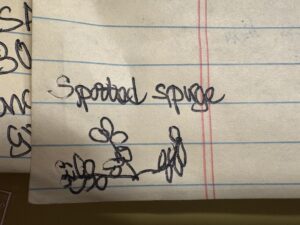
SPOTTED SPURGE
|
Seed |
None |
It’s the little leaf nodal, low clearance that grows in your rocks, between cracks in the sidewalk, etc. Pesty in spring/ summer. Milky sap that is a skin irritant. |
|
English Ivy |
None |
Invasive SOB. |
|
|
Bermuda Grass |
Seed |
Reduces erosion,. |
Highly invasive. Pest host. |
|
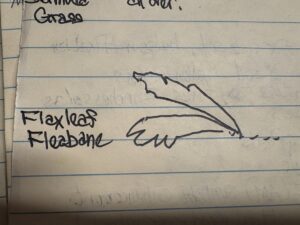
FLAXLEAF FLEABANE |
Invasive. Mildly toxic. Southern States. Host for mosaic virus—affects lettuce yields. |
||
|
PINEAPPLE WEED |
Mixed in with lantanas) Prolific. Spreads allergins. Ragweed relative. |
||
|
PANIC VELD GRASS |
Treat: vinegar/dishsoap/water directly on grass to kill it. Mulch, solarization. CA only |
||
|
BUR CLOVER |
Seeds |
Seeds have hard shell- impenetrable. Manage Mulch. Hand pull. Mow. Dense alternate plants (creeping thyme, clover), Monitor. Share with your wonderful developer neighbors. |
|
|
CLOVER (W/root Burrs |
Seeds |
Treat: Concentrated vinegar (horticultural) get a spike core or corn meal gluten (keeps seeds from germinating—does not address existing Likes compacted soil, like most of these weeds do |
|
THE ALTERNATIVES TO GRASS.
|
CREEPING THYME |
Germination time: spread: |
Needs well drained soil, full sun, amend soil with compost. Direct sow seeds , pressing them into soil without burying. No fertilizer necessary. Light water – few weeks., can take light foot traffic. |
|
|
CLOVER |
Seed: Late summer or fall. |
Loosen top soil. Establishes better. |
Perennial Attracts pollinators. Fixes nitrogen in soil. (active fertilizer) Suppresses weeds for the most part. Keep soil most to encourage germination. |
Feel free to drop me any suggestions.
Solving rodents
Rodents: the bane of the gardener. Here are a few I’ve either dealt with or seen in our gardens of San Diego. Skunks seem to be the biggest issue.
| SKUNKS | Are nocturnal creatures. Cannot see very well. They create holes with mounds. Active at night. | “Skunk away” did not work for me. I used it a few times, and then gave it away. It never deterred. Them. I found out later that those big home improvement box stores will give you your money back on those items, if they don’t work out within a 30 day period. |
AW: I stuck forks in plots with the spire side up. Also have used cayenne pepper spreads... just don't want to dust my kale leaves with it. |
| SQUIRRELS | Can climb and jump. They bother apples…. Active when you don’t see them |
Netting may work. | Planting geraniums at the base of the apple trees seems to keep them at bay. I did that midway last year. This year, I think I lost one apple to them. Last year, they must of gotten 10 of them. |
| RATS/MICE | Oranges. | Trap setting. Not a real issue at least in 2024. | |
| RABBITS | |||
Resources/Books
1. The Amish Way has some good remedies. You may of seen it on fb ads, but I like the result, especially, ,the gardening part. Forks with spines facing up to deal with skunks. I've had pretty good results.
2. Picture This is a gardening app... 29.99 / year. It's helped me out some. You can get remedies for sick plants, and they have support as well. "Ask an expert"
3. http://www.homesteadingfamily.com Garden water strategies.
4. Dandelion Health. Those "weeds" have multiple benefits for health and the garden. (medicalnewstoday.com)
5. plants.usda.gov (USDA fava bean, etc)
6. Yes, you can use flour in the garden! (growveg.com) Short review Use sparingly. It's slow release nitrogen, fertilizer/soil amendment. Feeds beneficial microbes, in soil. over time.
7. Monarchs & native milkweed.... (http://www.earthdiscovery.org). Milkweed farm.
8. Perennial vegetables--- 26 of them. get repeat crops every year. (https://practicalselfreliance.com/perennial-vegetables/)
9. REFERENCES: plants.usda.gov I looked up fava beans here. Easy to grow!
10. ROMANESCO BROCCOLI (trueleafmarket.com)
11. Repurpose toilet paper rolls

Spring is just around the corner so now is the perfect time to start saving your toilet roll tubes to make these little seed starter pots! These pots are great because, not only are they inexpensive as you’re using the toilet roll tubes you’d normally throw away, but they’re also environmentally friendly as they are completely biodegradable.
They are also especially good for planting seeds that do not like to have their roots disturbed as, when the seedlings are ready to transplant, you can plant the whole thing including the pot in the garden.
What you will need:
-
Toilet paper tubes (or kitchen roll tubes)
-
Scissors
-
Tray to hold seed starter pots
-
Soil
-
Seeds
What you need to do:
First, flatten your cardboard toilet paper rolls and press along the creases. Then open the tube out, turn 90 degrees and fold it in half again to make two more creases - these will be the edges of the pot.
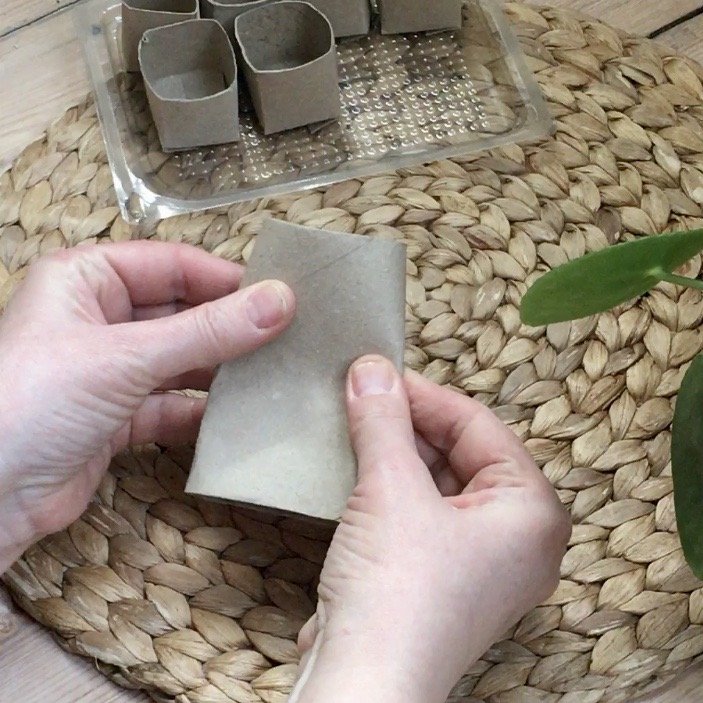
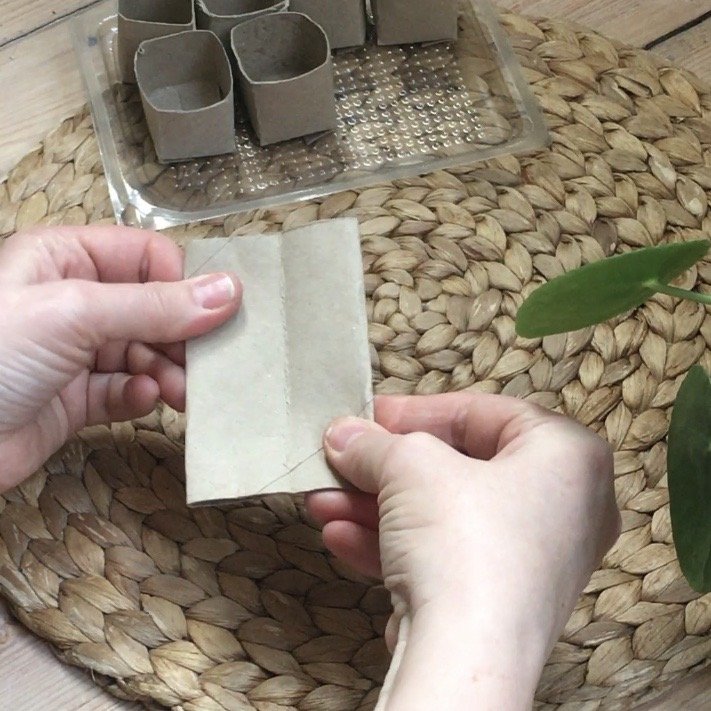

Cut the cardboard tube in half horizontally. If you use paper towel rolls, they'll need to be cut into quarters. Then open out and ‘square off’ the tube.
(Some plants, such as tomatoes and sweet peas, perform best when their roots are forced to grow in a deep, narrow channel so you can leave the tube whole for these.)
Now cut a slit around 1 1/2 - 2 cm along each crease. This will create four flaps that will make the bottom of the pot. Fold the flaps inward, overlapping each flap over the previous one and tucking the corner of the last flap under the corner of the first flap.
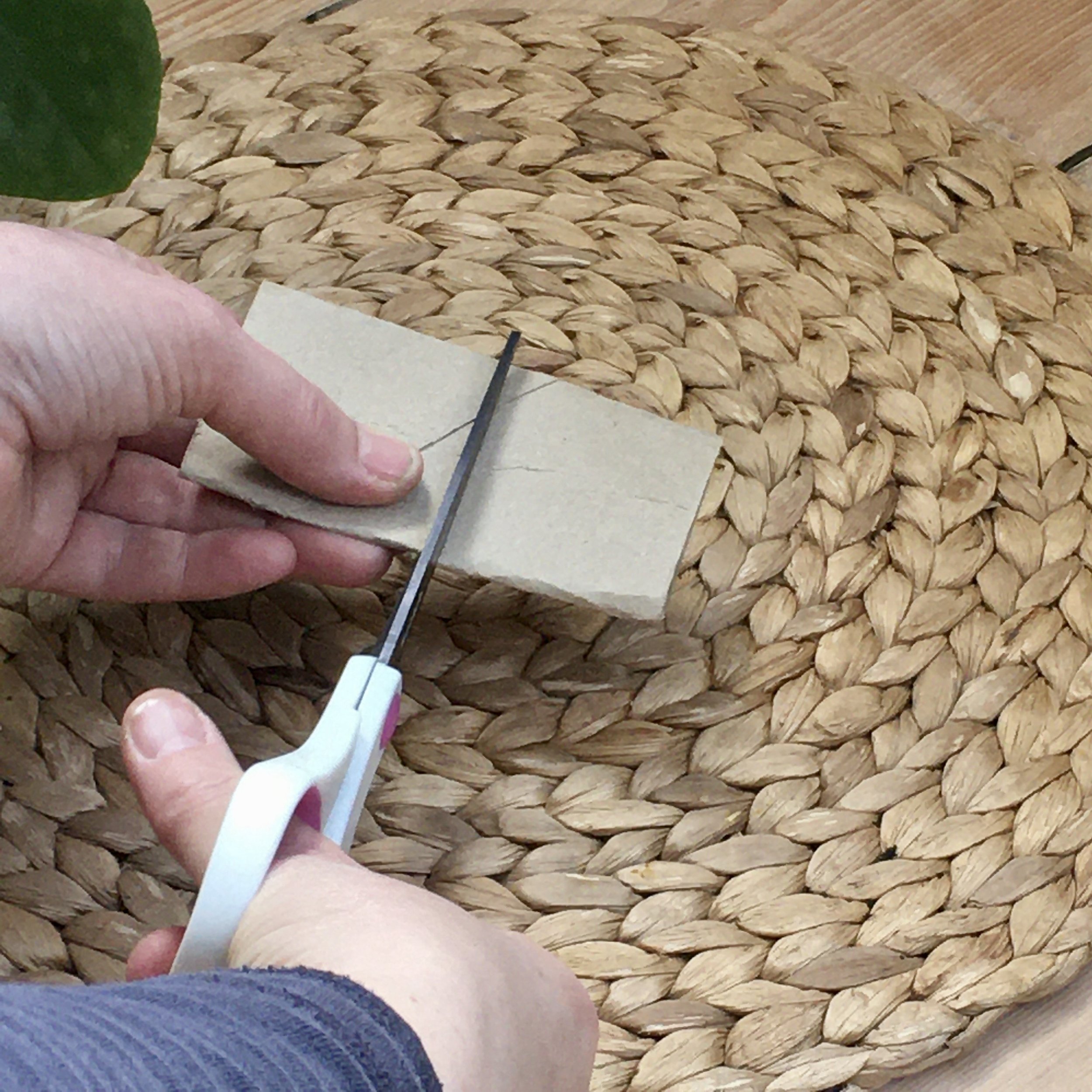
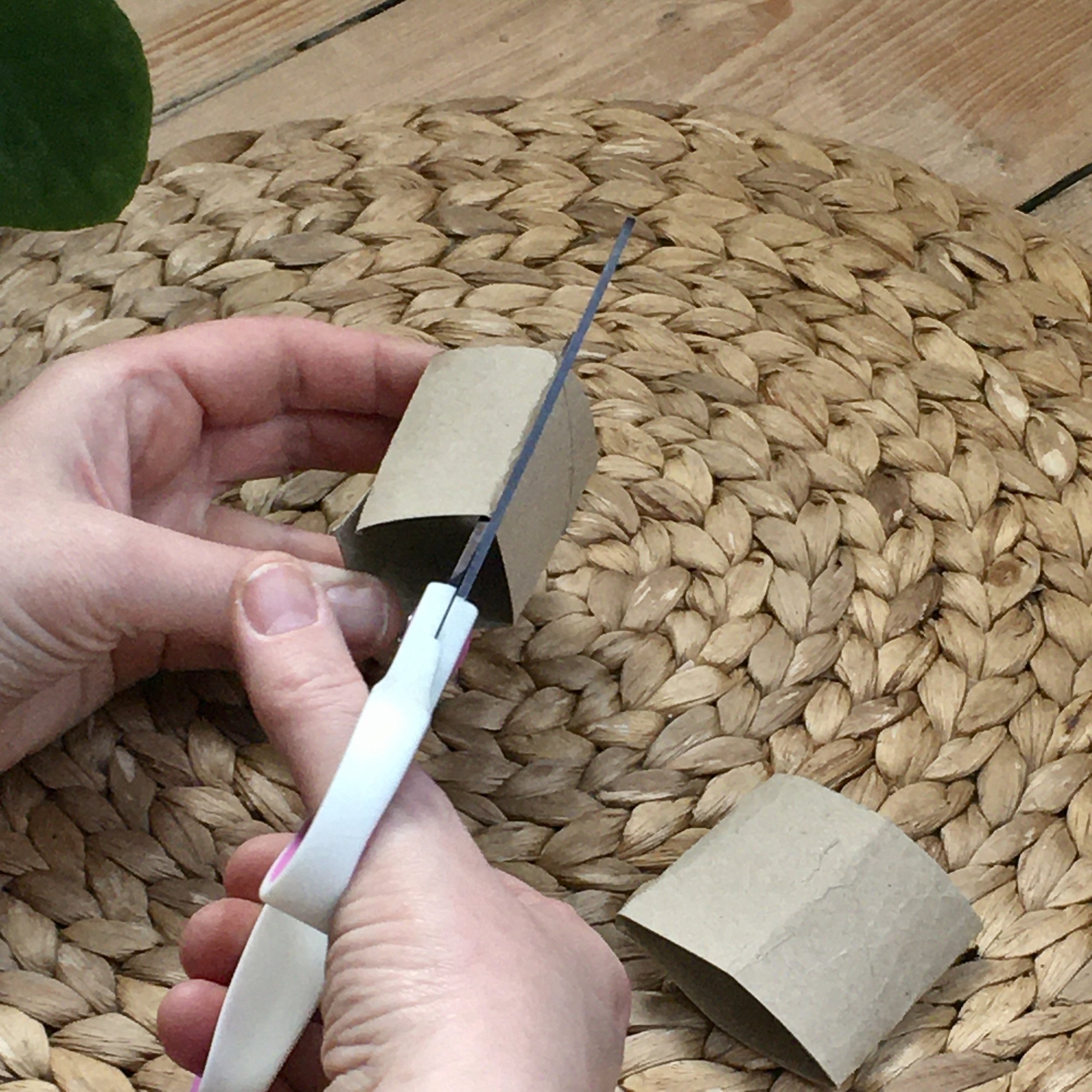
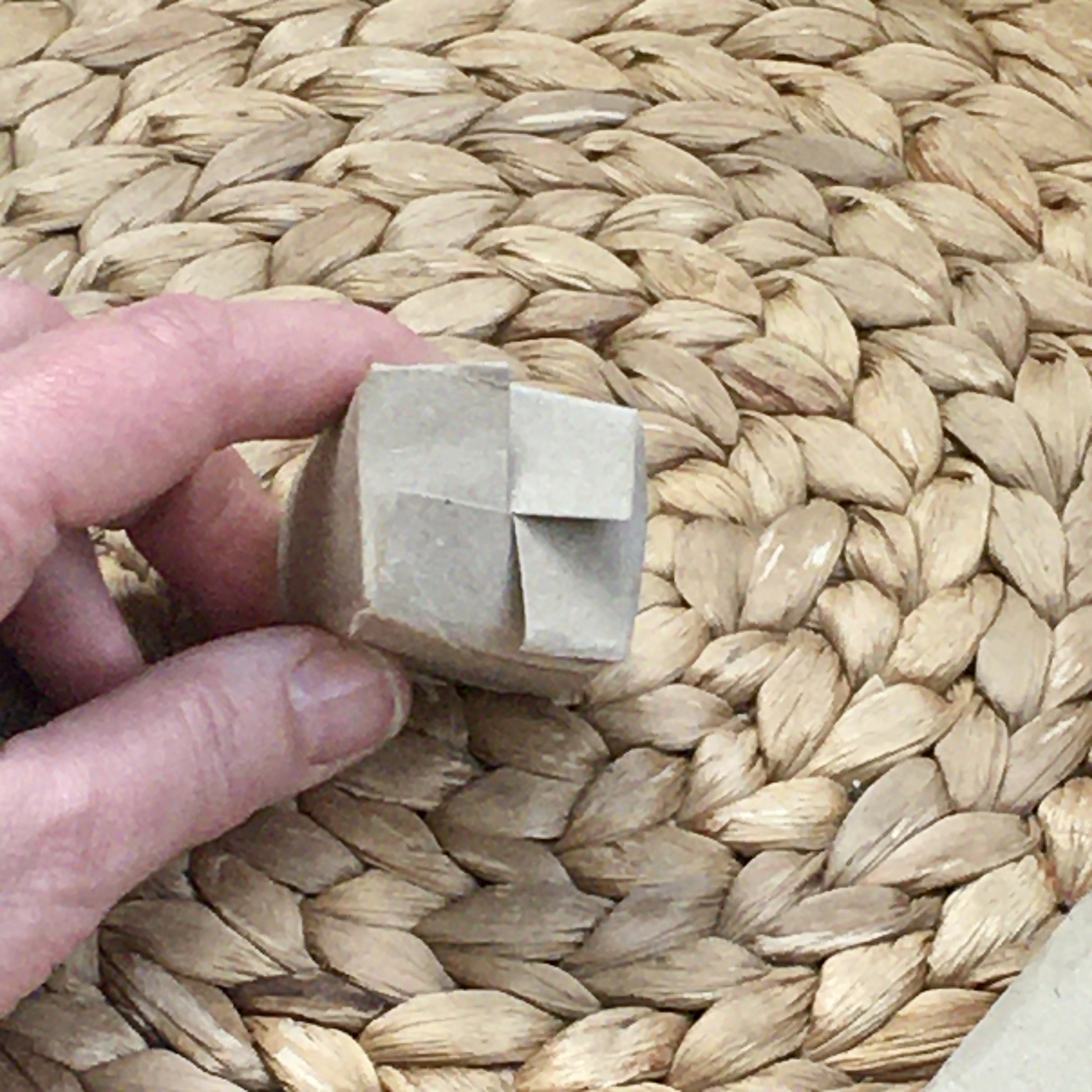
Turn the pot over and gently press it down on a flat surface to make the bottom flat so that it stays upright. Once you’ve made your seed starter pots, pop them in a seed tray or plastic fruit container to hold them together and so that they’re easier to transport and water.
Now you can fill the pots with compost and sow your seeds!
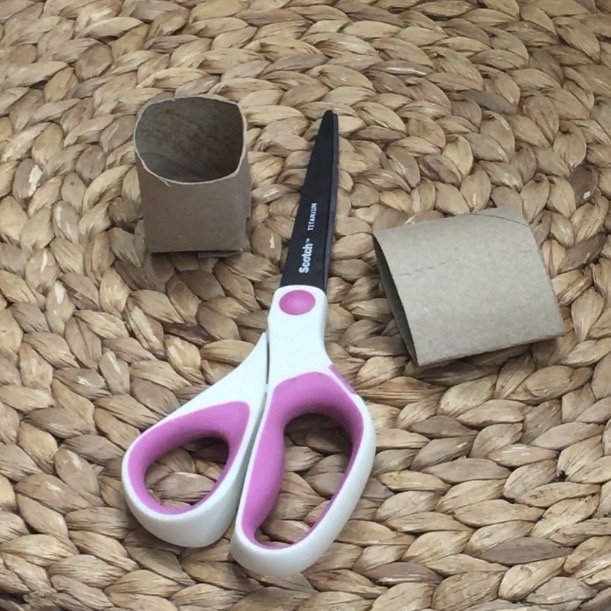
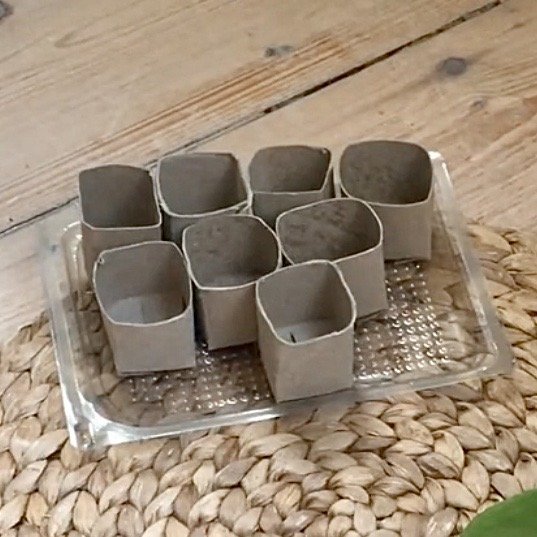
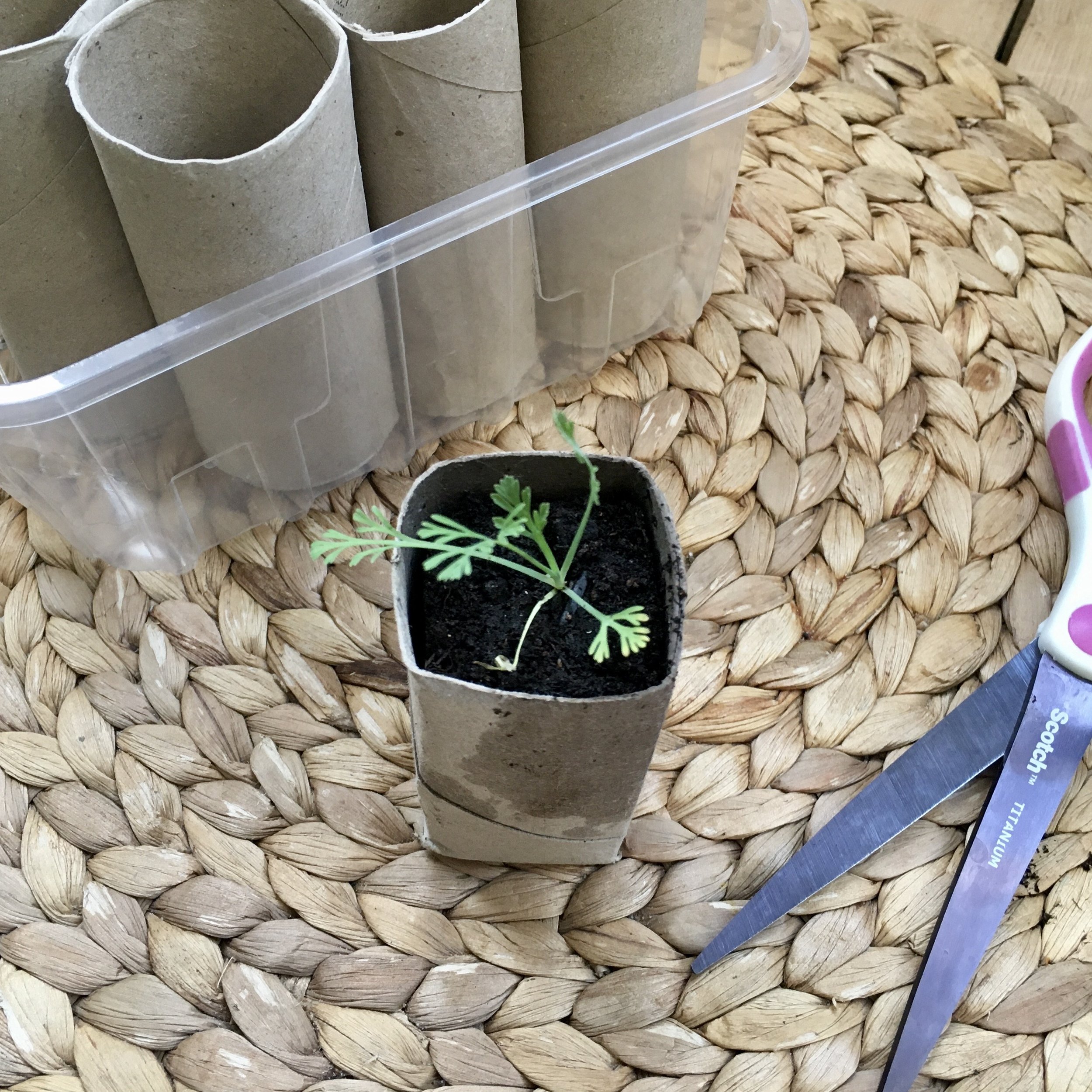
These pots hold up really well. They can take watering without falling apart and when the plant is ready they can be planted, pot and all, as the cardboard tube will rot away in the ground.

gardening supplies/ideas.
1. Dripdepot.com (netafim bright white poly tubing) Use in place of sprinklers or drip systems. More effective.
2. Garden water strategies: homesteadingfamily.com
3.
COMPOSTING:
BOKASHI COMPOSTING
add more brown materials if your compost smells bad. Brown materials would be things like dry leaves, or cardboard, you know, like those many a***z** boxes you get.
South Facing Gardens (about)
greg.app- Fixing hibiscus leaves.... found that giving it a dose of dissolved aspirin did the trick. yellow leaves are currently gone. Took about 4 months of treatment. Same treatment was suggested for an apricot tree that was losing its leaves in summer.
PROPAGATION
* FIDDLEAF FIG Roots from 2-8 weeks. Roots faster in water.. Change water when cloudy. Clean cut, just below a bottom node, 45 degree cut. Remove bottom leaves. Use a propagation promoter before transfer. Plant when roots are 3" long. Water every week.
- DIFFENBACHIA- Stem cuttings. Cut right below node. Root in in water or soil . Repot every 1-2 years Mine needs a transplant 🙂 Reed continues in the plants he bought.
* HARDWOOD FRUIT TREES (works with some rock fruit trees- cherries, plums, apricots, etc.)
It hasn't worked for me yet, but I started it two days ago. It invovles Coir (a type of coconut peat moss) perlite and sand. Either can use aloe or a root hormone-- I'm trying the root hormone.
To root stems, I looked at a few youtube vids, and found the following info, related to most soft/harder wood trees. Get a mixture of sand and coir (a form of peat moss), mix them together, fill pot about half way. Insert stem, after you have shaved back the bark portion, in rooting hormone (I heard two instances of using aloe), stick those in the mixture, fill up the rest of the pot, get a plastic bag, put the pot inside of it and tie it up, making a temporary greenhouse for it. In about 35-40 days, based on the time of year… best to do it in the summer months), you should have roots.
The sample I did was with a number of the cherry prune cuttings I did for the winter.
Solving Pests
- aphids
- afffected crops: brassica (broccoli, kale, brussel sprouts,
- companion plants:
-
controls:Aromatic: rosemary, sage, thyme, oregano, hyssop, lemon balm ((repel)
Aromatic: (confuse): onions, garlic, chive, leek, shallot
Flowers (attract bene’s) marigold, chamomile, calendula.
Root veg (less competition)
Celery (cabbage moth) borage (adds minerals), dill, coriander, potatoes, lettuce. -
https://www.google.com/search?q=getting+rid+of+aphids+outdoors&client=firefox-b-1-d&hs=qm29&sca_esv=784db34c22f0db79&sxsrf=ANbL-n4q7c6fQiTk1QSfbQCxBpsmAV-77Q%3A1771458513341&ei=0U-WacvIFKWi0PEP69-RyAE&ved=0ahUKEwiL9a-bneSSAxUlETQIHetvBBkQ4dUDCBM&uact=5&oq=getting+rid+of+aphids+outdoors&gs_lp=Egxnd3Mtd2l6LXNlcnAiHmdldHRpbmcgcmlkIG9mIGFwaGlkcyBvdXRkb29yczIGEAAYFhgeMgYQABgWGB4yBhAAGBYYHjIGEAAYFhgeMgYQABgWGB4yCxAAGIAEGIYDGIoFMggQABiiBBiJBUiqPFDJAVisO3ABeACQAQCYAbQBoAH2CaoBAzEuObgBA8gBAPgBAZgCCqAC8AnCAgoQABiwAxjWBBhHwgINEAAYgAQYsAMYQxiKBcICBRAAGIAEwgIKEAAYgAQYQxiKBcICCxAAGIAEGJECGIoFwgIFEAAY7wWYAwCIBgGQBgqSBwMxLjmgB5VDsgcDMC45uAfkCcIHBTItOC4yyAc7gAgA&sclient=gws-wiz-serp#fpstate=ive&vld=cid:be1ddb15,vid:gAhfA0vlPik,st:0
-